

For most young people, turning 18 is a milestone filled with celebration. There are graduation parties, family dinners, advice from parents, and the quiet reassurance that – even if things go wrong – someone will be there to help.
But for thousands of youth in the foster care system, turning 18 (or 21 in some states) does not feel like a celebration.
It feels like a deadline.
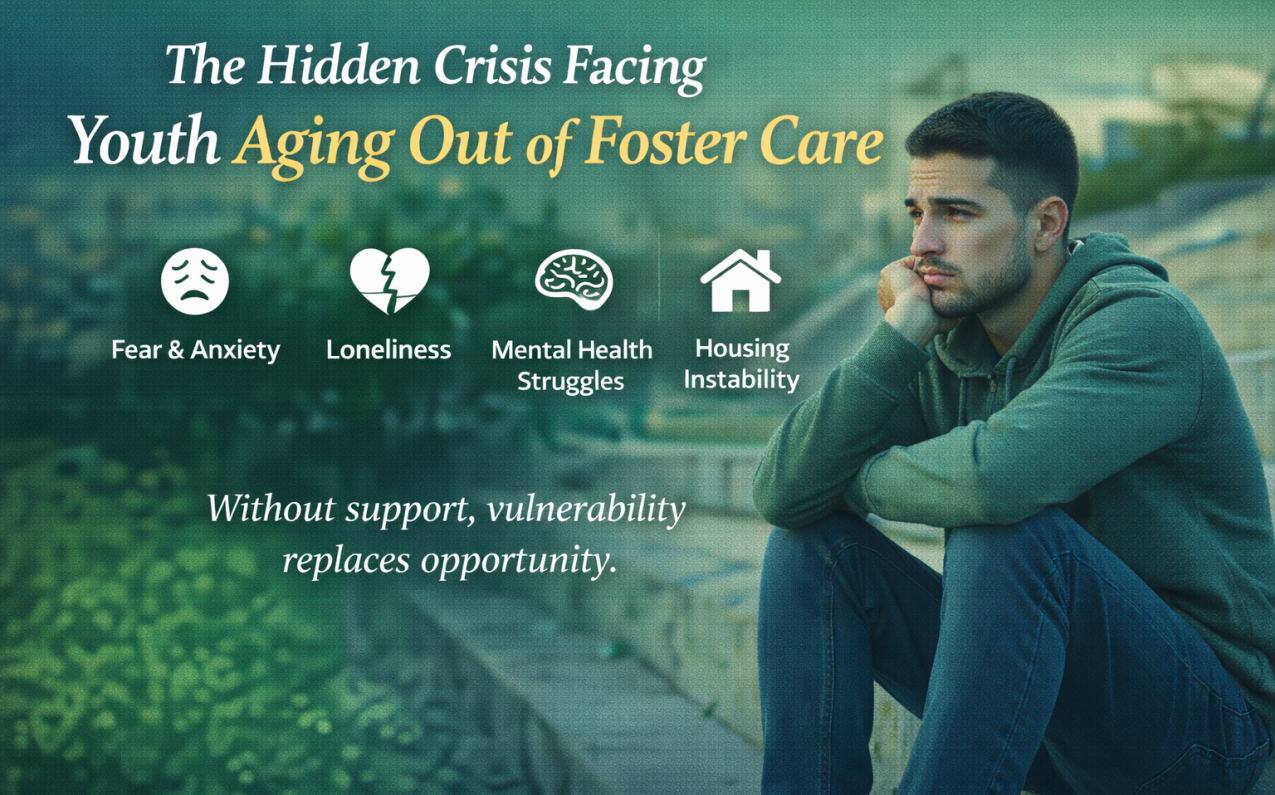
Aging out of foster care marks the end of government custody and, for many, the beginning of adult life without a permanent support system. While independence can be empowering, the transition often brings fear, loneliness, financial instability, and overwhelming uncertainty.
At BRIDGE Nevada, we believe no young person should step into adulthood alone. Our mission – Building Relationships Inspiring Dialogue for Generational Empowerment – exists precisely because this hidden crisis demands more than sympathy. It demands community action.
What Does It Mean to Age Out of Foster Care?
Youth aging out of foster care are young adults who leave the foster system when they reach the legal age of emancipation. In many states, that age is 18. Some extend support to 21, but even then, assistance often tapers off.
For these young adults, aging out can mean:
- Losing stable housing
- Losing financial assistance
- Losing caseworker guidance
- Losing access to structured support programs
- Losing consistent adult mentorship
Unlike their peers, they do not always have parents to call for advice, financial help, or emotional reassurance.
The foster care transition to adulthood is abrupt. And for many, it is unprepared.
Fear and Anxiety: Facing Adulthood Without a Safety Net
One of the most immediate emotional responses youth aging out of foster care experience is fear.
Questions pile up quickly:
- Where will I live next month?
- How do I secure a job without strong references?
- How do I manage rent, utilities, groceries, and transportation?
- What happens if I fail?
Without a structured plan, anxiety intensifies. Many former foster youth report feeling overwhelmed by adult responsibilities they were never taught to manage.
Statistics consistently show higher risks of homelessness, unemployment, and emotional distress among youth aging out of foster care. When survival becomes the primary focus, long-term dreams – college, entrepreneurship, career growth – often feel out of reach.
At BRIDGE Nevada, we recognize that empowerment begins with preparation. Through mentorship, life-skills guidance, and stable relational support, young adults can face independence with confidence instead of fear.
Loneliness and the Search for Belonging
Perhaps the deepest wound carried by youth aging out of foster care is not financial—it is relational.
Many have moved through multiple placements. Some have experienced disrupted adoptions. Others have never had consistent family traditions or holiday gatherings.
When they age out, the emotional gap becomes painfully clear.
There is no guaranteed home to return to.
No automatic invitation to Thanksgiving dinner.
No lifelong family network cheering them on.
Loneliness becomes a silent companion.
Research shows that a lack of belonging significantly impacts mental health and long-term stability. Humans thrive in community. Without it, young adults may struggle with self-worth and identity.
This is why intergenerational connection is central to what we stand for at BRIDGE Nevada. By connecting youth aging out of foster care with committed older adult mentors, we help replace isolation with relationship. We build bridges where family ties once fractured.
Belonging changes everything.
Mental Health Challenges Among Former Foster Youth
The instability many youth experience before and during foster care often leaves lasting emotional effects.
Common mental health challenges include:
- Depression
- Generalized anxiety
- Post-traumatic stress disorder (PTSD)
- Attachment disorders
- Emotional dysregulation
Without consistent access to mental health services, these challenges can intensify during the transition to independent living.
Imagine navigating your first apartment, job interview, or college application while also managing unresolved trauma. The emotional weight can feel unbearable.
Access to trauma-informed counseling, peer support groups, and stable mentorship dramatically improves outcomes. At BRIDGE Nevada, we advocate for holistic care – support that addresses both practical needs and emotional healing.
Because independence without healing is fragile.
Financial Instability and the Risk of Homelessness
Housing insecurity is one of the most urgent issues facing youth aging out of foster care.
Without savings, co-signers, or rental history, securing stable housing becomes extremely difficult. Many landlords require deposits and income verification that young adults simply cannot provide.
As a result, former foster youth are disproportionately represented among homeless young adults.
Financial instability also affects:
- Access to higher education
- Vocational training enrollment
- Reliable transportation
- Healthcare access
- Credit-building opportunities
Financial literacy is rarely taught consistently within foster care placements. Budgeting, tax filing, credit management, and lease agreements can feel overwhelming.
Community programs that provide transitional housing, financial coaching, and educational support can significantly reduce these risks.
At BRIDGE Nevada, we believe in equipping – not just encouraging – young adults. Preparation transforms possibility into reality.
Education and Employment Barriers
Youth aging out of foster care often face educational disruption. Frequent school changes may result in credit loss, delayed graduation, or academic gaps.
Without stable guidance, college applications, FAFSA forms, and scholarship searches can feel like foreign territory.
Employment presents similar barriers:
- Limited professional networks
- Few references
- Gaps in work experience
- Transportation challenges
Mentorship bridges these gaps. A caring adult who helps review a résumé, prepare for an interview, or explain workplace expectations can alter the trajectory of a young person’s life.
This is why intergenerational empowerment remains at the core of our work.
The Importance of Strong Support Systems
The difference between struggle and stability often comes down to one word: support.
Youth aging out of foster care thrive when they have:
- Long-term mentors
- Access to counseling
- Transitional housing programs
- Financial literacy education
- Community belonging
Studies show that consistent adult relationships significantly improve outcomes for former foster youth, including higher employment rates and reduced homelessness.
At BRIDGE Nevada, we are intentional about creating structured, sustainable support systems – not temporary fixes. Relationships built on trust and accountability create resilience.
Advocacy and Policy Change: Building a Better System
Addressing the hidden crisis facing youth aging out of foster care requires more than nonprofit programs. It demands systemic change.
Advocacy efforts must focus on:
- Extending foster care support beyond 18 where needed
- Expanding affordable housing initiatives
- Increasing funding for mental health services
- Strengthening workforce development programs
- Encouraging intergenerational community partnerships
Raising awareness is a critical first step. Many people are unaware of what happens when foster youth turn 18. By educating communities, we create empathy. By mobilizing communities, we create solutions.
Practical Ways Communities Can Help
If you are wondering how to make a difference, consider these actions:
Become a Mentor
Offer consistent guidance and support to a young adult transitioning from foster care.
Support Transitional Programs
Donate time, resources, or funding to organizations serving foster youth in Nevada.
Advocate for Policy Reform
Contact local representatives to support legislation protecting youth aging out of foster care.
Hire and Invest
Employers can provide internships, apprenticeships, and job opportunities specifically designed for former foster youth.
Foster Intergenerational Connection
Encourage programs that unite seniors and youth – mutual mentorship benefits both groups profoundly.
Moving Forward: A Future Built on Bridges, Not Barriers
The emotional impact of aging out of foster care cannot be underestimated. Without adequate support, many young adults face fear, loneliness, and instability at the very moment they should be building dreams.
But this story does not have to end in crisis.
At BRIDGE Nevada, we stand for relationship-driven solutions. We believe that when older adults and youth connect, healing flows in both directions. Wisdom meets resilience. Experience meets ambition. Isolation meets belonging.
The hidden crisis facing youth aging out of foster care becomes visible when we choose to see it. And when we choose to act.
If you are in Nevada and want to be part of building lasting impact for foster youth transitioning to adulthood, join us. Together, we can replace uncertainty with stability – and transform isolation into empowerment.
Because no young adult should ever have to build their future alone.