

Why Stronger Connections Can Build Stronger Communities
Growing older and stepping into adulthood may seem like two entirely different life experiences. One represents decades of lived experience, while the other is only beginning the journey toward independence. Yet despite their differences, seniors and young adults often face remarkably similar challenges.
Both groups are vulnerable to loneliness.
Both struggle with finding meaningful social connections.
Both can experience uncertainty about the future.
And both benefit tremendously when surrounded by supportive communities.
For decades, support systems have largely been designed around age-specific services. Seniors are encouraged to spend time with other seniors. Young adults are expected to navigate their own challenges alongside their peers. While these approaches have their place, they often overlook one of the most powerful resources communities already possess—the opportunity to connect generations.
Today, communities across the United States are beginning to rethink what support truly looks like. Instead of relying solely on traditional healthcare, institutional care, or isolated social programs, organizations are embracing holistic, relationship-centered models that bring generations together.
At BRIDGE Nevada, this philosophy is at the heart of everything we do.
We believe that healing, growth, belonging, and resilience are strengthened when vulnerable populations—including youth aging out of foster care and seniors experiencing social isolation—build meaningful relationships with one another and with the broader community.
Rather than viewing these groups as separate populations with separate needs, BRIDGE Nevada recognizes that each has something incredibly valuable to offer the other.
This new way of thinking isn’t simply compassionate.
It is practical.
It is evidence-informed.
And it has the potential to reshape how communities support their most vulnerable residents for generations to come.
Why Traditional Support Systems Need to Change
Communities have invested billions of dollars over the years into healthcare programs, social services, housing initiatives, and emergency interventions. While these efforts have undoubtedly improved countless lives, many systems remain reactive instead of preventive.
Too often, support arrives only after someone has reached a crisis point.
For seniors, help frequently begins after hospitalization, declining health, or severe isolation.
For young adults—particularly those transitioning from foster care—assistance often comes only after homelessness, unemployment, or mental health challenges emerge.
This approach creates an endless cycle of responding to problems instead of preventing them.
Imagine waiting until someone’s health has already deteriorated before encouraging social interaction.
Or waiting until a young adult has become homeless before teaching financial literacy or career planning.
Communities deserve better.
Individuals deserve better.
Support systems must evolve beyond emergency response toward long-term relationship building.
The Common Challenges Facing Seniors and Young Adults
Although separated by decades of life experience, seniors and young adults often encounter surprisingly similar emotional and social obstacles.
Loneliness Has Become a Public Health Concern
Loneliness affects millions of Americans every year.
For seniors, retirement, widowhood, declining mobility, transportation barriers, and reduced social circles can gradually shrink daily interactions.
For young adults, particularly those aging out of foster care, loneliness often stems from unstable childhoods, family separation, trauma, and the absence of reliable support networks.
While their circumstances differ, the emotional impact can be strikingly similar.
Persistent loneliness contributes to:
- Depression
- Anxiety
- Chronic stress
- Reduced self-esteem
- Sleep disorders
- Poor physical health
- Higher healthcare utilization
- Lower life satisfaction
Research increasingly shows that social isolation affects the body much like smoking, obesity, and physical inactivity.
The need for connection is not simply emotional.
It is biological.
Independence Does Not Mean Isolation
Society often celebrates independence.
Young adults are expected to “figure life out.”
Older adults are encouraged to remain “independent” for as long as possible.
Yet independence should never be confused with isolation.
Humans thrive through relationships.
The strongest communities are those where independence is supported—not replaced—by meaningful human connection.
This is precisely where organizations like BRIDGE Nevada play an essential role.
Instead of encouraging individuals to navigate life alone, BRIDGE Nevada creates opportunities for mentorship, companionship, shared learning, and community engagement that strengthen independence while reducing isolation.
A New Vision: Intergenerational Support Systems
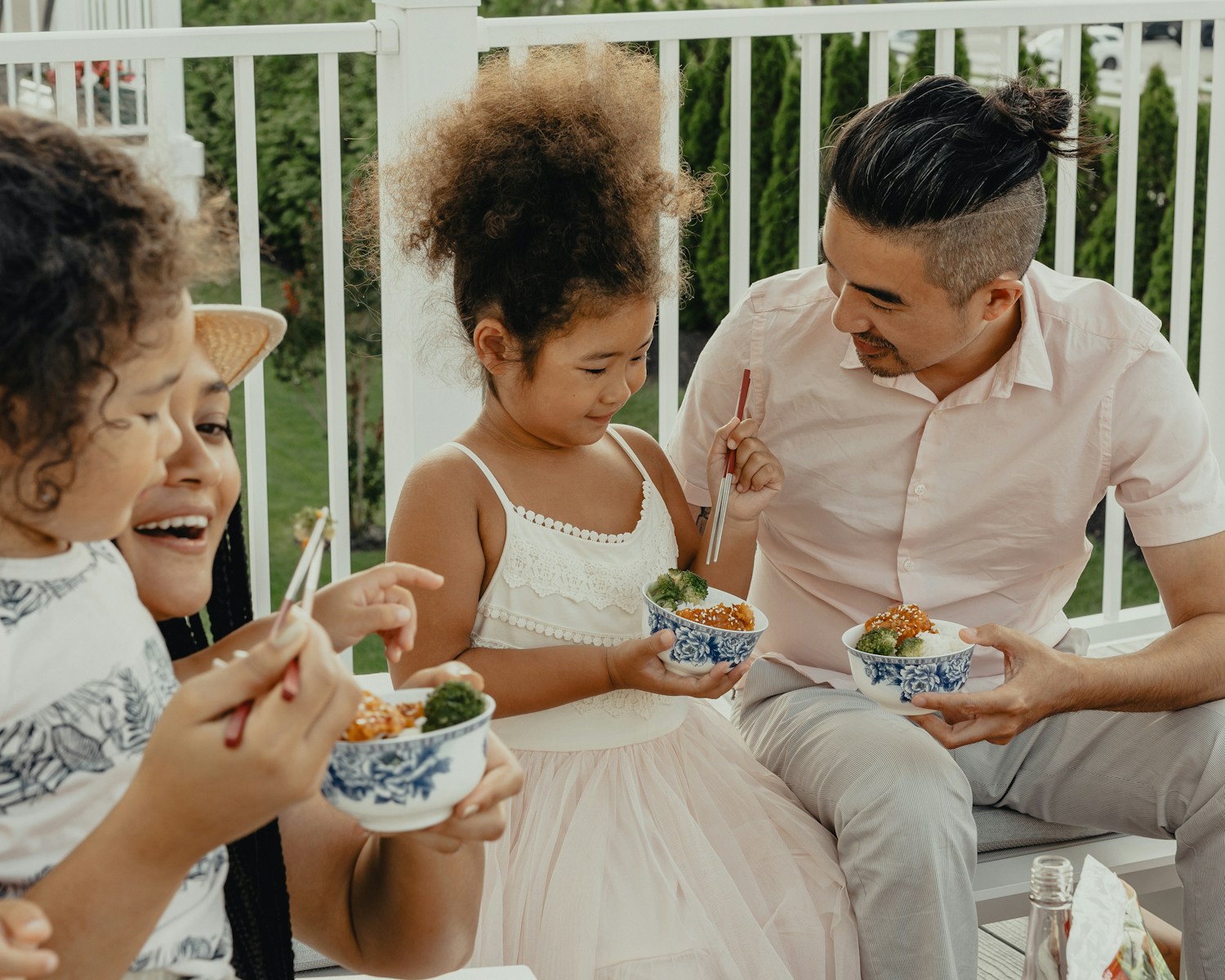
Around the world, innovative organizations are proving that one of the greatest untapped resources in society is intergenerational connection.
Instead of separating generations, these programs intentionally bring them together.
The results have been remarkable.
Young adults gain:
- Career guidance
- Emotional encouragement
- Practical life advice
- Professional networking
- Confidence
- A sense of belonging
Meanwhile, seniors experience:
- Increased social engagement
- Renewed purpose
- Better emotional well-being
- Cognitive stimulation
- Reduced loneliness
- Greater physical activity
These relationships are not one-sided.
They are mutually beneficial.
Every conversation becomes an opportunity for learning.
Every shared experience strengthens community bonds.
Why Intergenerational Relationships Matter More Than Ever
Today’s society often separates generations in ways previous generations rarely experienced.
Children attend age-specific schools.
Adults spend their time in workplaces.
Older adults often live in retirement communities or assisted living facilities.
While specialization has advantages, it has also reduced opportunities for natural interaction between generations.
As a result:
Young people lose access to decades of wisdom.
Older adults lose opportunities to remain socially engaged.
Communities lose valuable social capital.
Intergenerational programs restore these missing connections.
A senior who once felt forgotten suddenly becomes a mentor.
A young adult who lacked family guidance gains someone who believes in their future.
These relationships cannot replace families.
But they can create something almost as powerful: chosen communities built on trust, respect, and shared purpose.
Shared Housing: A Growing Global Solution
One of the most exciting developments in community support is intergenerational housing.
Countries across Europe, Asia, and North America have successfully introduced programs pairing college students or young professionals with older adults.
The arrangement is simple:
Young adults receive affordable housing.
Older adults receive companionship and occasional assistance with everyday tasks.
The benefits extend far beyond reduced housing costs.
Participants often develop genuine friendships.
Students gain emotional stability during stressful academic years.
Older adults enjoy daily conversations and increased feelings of security.
Communities become stronger because generations learn to value one another instead of living separately.
For organizations like BRIDGE Nevada, these emerging models provide valuable inspiration for creating innovative community-based solutions that address multiple challenges simultaneously.