

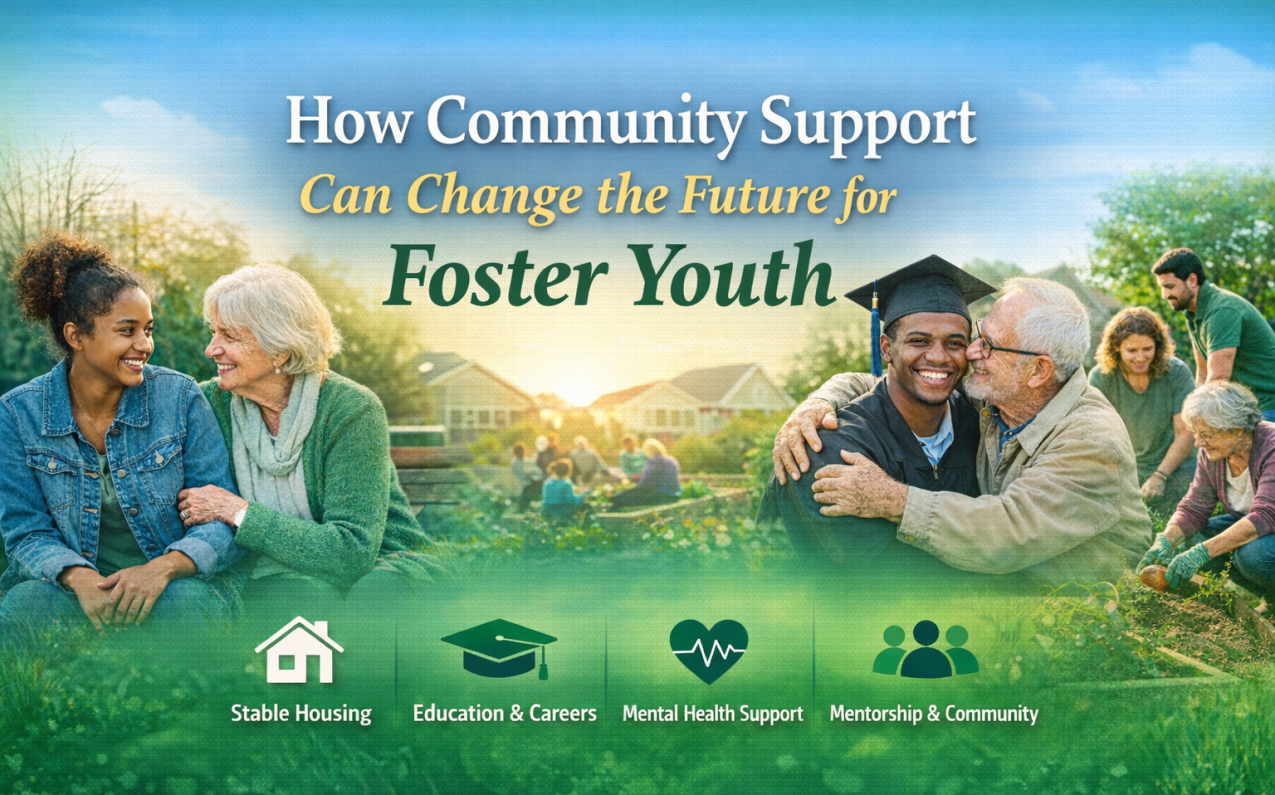
For thousands of young people in foster care, the journey into adulthood begins long before they are truly ready. It often starts with uncertainty, limited resources, and the quiet fear of facing the world alone. While many young adults rely on family networks for guidance, emotional support, and safety nets, foster youth aging out of the system frequently step into adulthood without those foundational connections.
This transition period, often between the ages of 18 and 21, is one of the most critical phases in a foster youth’s life. Without consistent community support, many face overwhelming challenges, including homelessness, unemployment, poor health outcomes, and limited access to education. Yet when communities show up, intentionally and compassionately, the future for foster youth can look very different.
At BRIDGE Nevada, the belief is simple but powerful: no young person should have to navigate adulthood alone. Community support is not just helpful – it is transformational.
The Reality of Aging Out of Foster Care
Every year, thousands of young people “age out” of the foster care system. This means they reach legal adulthood and lose formal state support, often abruptly. While independence is expected, preparation is not always guaranteed.
Many foster youth leave care without:
- A permanent family or trusted adult to call for advice
- Stable housing options
- Financial literacy or savings
- Access to ongoing healthcare or mental health services
- Emotional reassurance during major life decisions
The absence of these supports creates a fragile starting point for adulthood. Studies consistently show that former foster youth are significantly more likely to experience homelessness, underemployment, involvement with the justice system, and untreated mental health challenges within just a few years of aging out.
But these outcomes are not inevitable. They are often the result of disconnection, not lack of potential.
Challenges Faced by Foster Youth Aging Out of the System
Housing Insecurity
Without a reliable support network, many foster youth struggle to secure safe and affordable housing. Some move from couch to couch, while others end up in shelters or unsafe living situations. Stable housing is the foundation for success – without it, employment, education, and health quickly become harder to sustain.
Community impact: Housing programs, host homes, and supportive living environments backed by community organizations can dramatically reduce the risk of homelessness and provide youth with stability during early adulthood.
Financial Instability
Many foster youth enter adulthood without basic financial education. Budgeting, credit management, taxes, and savings are often learned through family guidance – something many foster youth lack.
Community impact: Financial literacy workshops, mentorship, and access to entry-level employment or internships can equip youth with confidence and practical skills to manage money responsibly.
Limited Access to Education
Although many foster youth aspire to attend college or vocational training, barriers such as tuition costs, housing during school breaks, and lack of academic guidance often stand in the way.
Community impact: Scholarships, tutoring, career counseling, and advocacy from community partners can open doors to education that might otherwise remain closed.
Emotional and Psychological Challenges
Trauma is a common thread in the foster care experience. Frequent placement changes, disrupted relationships, and past neglect or abuse can leave lasting emotional scars. These challenges often affect self-esteem, trust, and the ability to form healthy relationships.
Community impact: Trauma-informed mentorship, counseling services, and intergenerational relationships help foster youth rebuild confidence, emotional regulation, and a sense of belonging.
Why Community Support Makes the Difference
Community support fills the gaps that systems alone cannot. Policies and programs matter – but relationships change lives.
When foster youth are surrounded by caring adults, peers, mentors, and elders who believe in them, several powerful shifts occur:
- Youth feel seen and valued
- Decision-making improves through guidance and accountability
- Isolation is replaced with belonging
- Hope becomes tangible
This is where organizations like BRIDGE Nevada play a vital role – connecting foster youth with stable, compassionate community members, including seniors, mentors, and advocates who offer wisdom, consistency, and encouragement.
Intergenerational relationships, in particular, create space for shared learning. Foster youth gain perspective and life skills, while older adults rediscover purpose and connection. Everyone grows.
Essential Components of Effective Foster Care Transition Programs
Stable Housing Solutions
Supportive housing models, such as supervised independent living, host homes, or extended foster care, provide youth with safety while they learn to live independently.
Practical tip: Communities can partner with landlords, faith groups, and housing authorities to create flexible, youth-friendly housing options.
Career and Education Guidance
Career exploration, resume building, vocational training, and scholarship access help youth envision and build a future beyond survival.
Practical tip: Local businesses can offer internships or apprenticeships tailored to foster youth transitioning into the workforce.
Financial Literacy Education
Teaching youth how to budget, save, and manage credit empowers them to avoid common financial pitfalls.
Practical tip: Hands-on workshops with real-life scenarios are more effective than one-time lectures.
Mental Health and Emotional Support
Counseling, peer support groups, and mentorship help youth process trauma and develop healthy coping strategies.
Practical tip: Trauma-informed approaches ensure youth feel safe, respected, and heard.
Community and Peer Networks
Belonging matters. Support groups, social activities, and mentorship programs reduce isolation and build confidence.
Practical tip: Creating consistent meeting spaces and routines strengthens trust and long-term engagement.
How You Can Make a Difference
Community transformation does not happen in isolation – it happens through collective action.
Donate to Organizations Making an Impact
Financial contributions help sustain housing programs, mentorship initiatives, education support, and wellness services for foster youth.
Become a Mentor or Volunteer
One consistent, caring adult can change the trajectory of a young person’s life. Mentorship offers guidance, accountability, and emotional support.
Advocate for Foster Youth
Policy advocacy ensures foster youth remain a priority in funding, housing, healthcare, and education initiatives.
Offer Employment Opportunities
Employers can provide internships, job training, and supportive work environments that help foster youth build confidence and experience.
Raise Awareness
Sharing stories, hosting community conversations, and using social media to educate others helps shift public perception and inspire action.
Be the Change Foster Youth Need
Every young person deserves a fair chance at a stable, fulfilling life. Foster youth are resilient, capable, and full of potential – but potential alone is not enough. Community support turns possibility into progress.
At BRIDGE Nevada, the mission is rooted in building relationships, inspiring dialogue, and creating pathways for generational empowerment. By bringing people together – across ages, backgrounds, and experiences – the organization helps ensure that foster youth aging out of care are not forgotten, overlooked, or left behind.
Your involvement – whether through time, resources, advocacy, or partnership – can help rewrite a young person’s story.
When communities show up, futures change.