
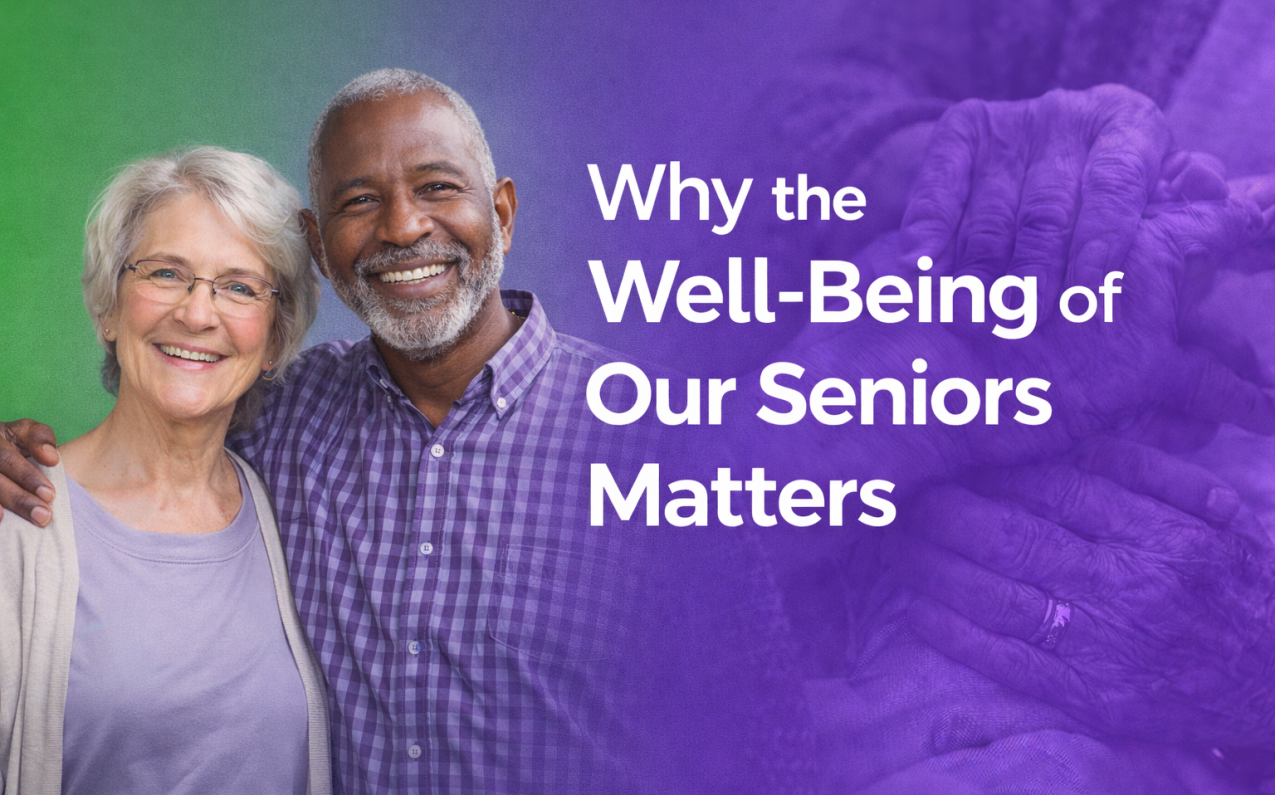
Aging is a natural part of life, but growing older should never mean growing invisible.
As people age, their bodies change, their routines shift, and their social circles often shrink. Retirement, the loss of loved ones, declining mobility, and changing health needs can quietly reshape daily life. Yet none of these changes mean that health, purpose, or joy should fade into the background. In fact, the well-being of our seniors becomes more important, not less, as the years go by.
At BRIDGE Nevada, we believe seniors matter deeply – not only because of the care they may need, but because of the wisdom, stability, and human connection they bring to our communities. Supporting senior well-being is not simply about physical health; it’s about emotional fulfillment, mental clarity, dignity, and belonging.
When seniors thrive, communities thrive.
Why the Focus on Well-Being Often Declines With Age
Many seniors begin adulthood with active routines, social engagement, and a sense of contribution. Over time, however, circumstances can slowly erode that momentum.
Physical limitations, chronic conditions, or reduced energy can make once-simple activities feel exhausting. Social changes, such as children moving away, retirement from long-held careers, or the death of spouses and friends, can lead to isolation. In many cases, seniors begin to feel disconnected not because they want to withdraw, but because opportunities to stay engaged become fewer.
There is also a damaging societal narrative that aging automatically equals decline. This belief can cause seniors themselves to internalize the idea that loneliness, inactivity, or emotional withdrawal are simply “part of getting older.” They are not.
Well-being does not expire with age. It must be protected, nurtured, and intentionally supported.
The Silent Epidemic: Loneliness Among Seniors
One of the most overlooked threats to senior well-being is loneliness.
Loneliness is not just an emotional state – it has real consequences. Studies consistently show that chronic isolation increases the risk of depression, anxiety, cognitive decline, heart disease, and even premature death. Yet many seniors suffer quietly, hesitant to speak up or unsure where to turn.
Loneliness often stems from a loss of meaningful connection. Conversations become brief. Days become repetitive. Without regular interaction, seniors may begin to feel forgotten or undervalued.
At Bridge Nevada, we recognize that connection is care. Seniors don’t just need services – they need relationships. They need to be seen, heard, and included in the rhythm of community life.
Five Reasons the Well-Being of Our Seniors Truly Matters
1. A Better Quality of Life
Well-being directly affects how seniors experience each day. When emotional, physical, and social well-being are supported, seniors report greater satisfaction, joy, and peace of mind. Life becomes something to engage with – not merely endure.
2. Healthier Aging and Longevity
Staying mentally and socially active can significantly reduce the risks associated with aging. Regular movement, engagement, and emotional support help prevent or manage chronic conditions and promote overall vitality.
3. Reduced Health-Related Costs
Preventive care, regular activity, and emotional well-being often reduce hospitalizations, emergency interventions, and long-term medical expenses. Supporting senior wellness is not only compassionate; it’s practical.
4. Improved Mental and Emotional Health
Isolation can accelerate depression and cognitive decline. In contrast, meaningful interaction, purpose-driven engagement, and consistent routines protect mental health and promote clarity, confidence, and emotional balance.
5. Independence and Dignity
When seniors maintain their well-being, they retain autonomy longer. Independence preserves dignity, self-worth, and the freedom to live life on one’s own terms.
The Role of Mental and Emotional Health in Aging Well
Mental and emotional health are foundational to senior well-being.
Seniors who stay socially connected, intellectually stimulated, and emotionally supported are more resilient in the face of life changes. Simple practices, like engaging in conversation, learning new skills, sharing stories, or participating in group activities, can dramatically improve mood and outlook.
Mindfulness, reflection, and purposeful routines also play a powerful role. Feeling useful, appreciated, and included reinforces a sense of identity beyond age or physical ability.
At BRIDGE Nevada, we see emotional wellness as something that grows stronger when shared across generations.
Movement, Purpose, and the Power of Staying Active
Physical activity does more than strengthen muscles; it supports confidence, balance, and emotional well-being.
Low-impact activities such as walking, stretching, gentle strength training, or swimming help seniors maintain mobility and reduce pain. Even small amounts of regular movement can improve sleep, energy levels, and cognitive function.
Equally important is purposeful activity. Seniors thrive when they have something to contribute – whether that’s mentoring, volunteering, teaching, or simply showing up for someone else.
Movement keeps the body alive. Purpose keeps the spirit alive.
Why Intergenerational Connection Changes Everything
One of the most powerful ways to support senior well-being is through intergenerational relationships.
At BRIDGE Nevada, we intentionally connect seniors with youth aging out of foster care. This model addresses two critical needs at once: youth gain mentorship and guidance, while seniors gain connection and renewed purpose.
Seniors share wisdom, life lessons, and emotional steadiness. Youth bring energy, curiosity, and fresh perspective. Both groups benefit – and both are reminded that they matter.
These relationships reduce loneliness, restore confidence, and build communities rooted in empathy and shared humanity.
Creating Environments That Support Senior Well-Being
Healthy aging does not happen in isolation; it happens in environments that encourage engagement, safety, and belonging.
Supportive communities offer:
- Opportunities for social interaction
- Accessible activities that promote movement and creativity
- Emotional support through conversation and companionship
- Respect for individual pace, ability, and dignity
Whether through community programs, faith-based initiatives, or mentorship opportunities, seniors need spaces where they are welcomed – not sidelined.
Why Senior Well-Being Is a Community Responsibility
Caring for seniors is not just a family responsibility; it’s a collective one.
Seniors are caregivers, mentors, veterans, teachers, and builders of the communities we now enjoy. Ensuring their well-being honors their contributions and strengthens the social fabric for future generations.
When seniors feel valued and connected:
- Families are stronger
- Youth learn empathy and respect
- Communities become more compassionate
- Loneliness and isolation decrease
This is not about charity. It’s about mutual care.
How You Can Support Senior Well-Being Today
You don’t need to be a professional caregiver to make a difference.
Here are simple but meaningful ways to support seniors:
- Engage in conversation; listen to their stories
- Volunteer with intergenerational programs
- Encourage social and physical activity
- Advocate for inclusive community spaces
- Support organizations focused on connection and dignity
Small actions create lasting impact.
A Future Where Seniors Are Seen, Heard, and Valued
The well-being of our seniors matters because their lives matter. Their stories matter. Their presence matters.
At BRIDGE Nevada, we believe aging should come with connection, not isolation; purpose, not loneliness; and dignity, not neglect. By building bridges between generations, we create a future where seniors continue to thrive – and where communities grow stronger through shared humanity.
When we care for our seniors, we care for the soul of our society.